

Women's investing plan
Because,
Why Should Men Have All The Funds?
For any queries, give us a missed call on 7208085692

Earning but not investing yet?
Your financial independence may be still incomplete!
To be truly financially independent, you may work on your individual as well family goals, analyse your income and expenses, learn about different investment avenues, and then embark on your investment journey accordingly. It's not as tough as it may seem! Aim to start as early as you can, so that you may reap greater benefits.
How Are Women's Financial Needs Different from Men?

On an average, Indian women earn 28% less than their male counterparts

7/10
Indian working women quit or consider quitting their jobs due to lack of flexibility

Life expectancy for women is about
5.1 years
more than men
To ensure financial independence, it's important for women to invest their hard-earned money wisely.
This is especially true in times of high inflation & unexpected economic downturns.
World of Personal Finance for Women
When starting a financially independent life,
here's a basic financial checklist that one may refer to:
-

Savings Account
To hold liquid cash that's easily accessible when needed
-

Health Insurance
For unexpected health emergencies (for yourself & your family)
-

Life Insurance
To secure the future of loved one's dependent on you
-

Mutual Funds
To generate wealth for life goals (wedding, home car, retirement, children’s education, efc.)
-

Public Provident Fund / National Pension Scheme
To build a corpus for your refirement
-

Fixed Deposits
For relatively safer refurns on investment
How to Save On Income Tax through Different Investments?
Apart from helping you achieve your financial goals, investments may also help you save on income tax.
Here are a few popular tax-saving instruments that you may choose to invest in:
| Tax Saving Investment Options | Tax Benefit Under | Deduction Limit in One Financial Year |
|---|---|---|
| Tax Saving mutual funds (Equity Linked Savings Scheme8) | Section 80C | ₹1.5 lakh |
| Life Insurance | Section 80C | |
| Public Provident Fund | Section 80C | |
| Up to two children's tuition | Section 80C | |
| National Pension Scheme | Section 80CCD(1) | 10% of salary (Basic + DA); within ₹1.5 lakh ceiling u/s 80 CCE |
| Health Insurance or Mediclaim | Section 80D | ₹25k (self, spouse, children) Additional ₹25k/₹0k (for parents below/above 60 years respectively) |
| Repayment of interest on education loan | Section 80E | No maximum limit |
| Repayment of interest on home loan | Section 80EE | ₹50k |
How to Start Investing For a Financially Secure Future?
At any life stage, it's important to be aware of both - your earnings & expenditure.
Based on your present income and expenses, you may begin your investment journey.

100-
age rule
Keep '100 minus your age' percentage of investment in equities; rest in debt instruments

10%
retirement rule
Save 10% of your
income every
month for retirement

6
months emergency fund rule
Keep 6 months' living expenses aside in an Emergency fund
When it comes to working towards an investment plan,
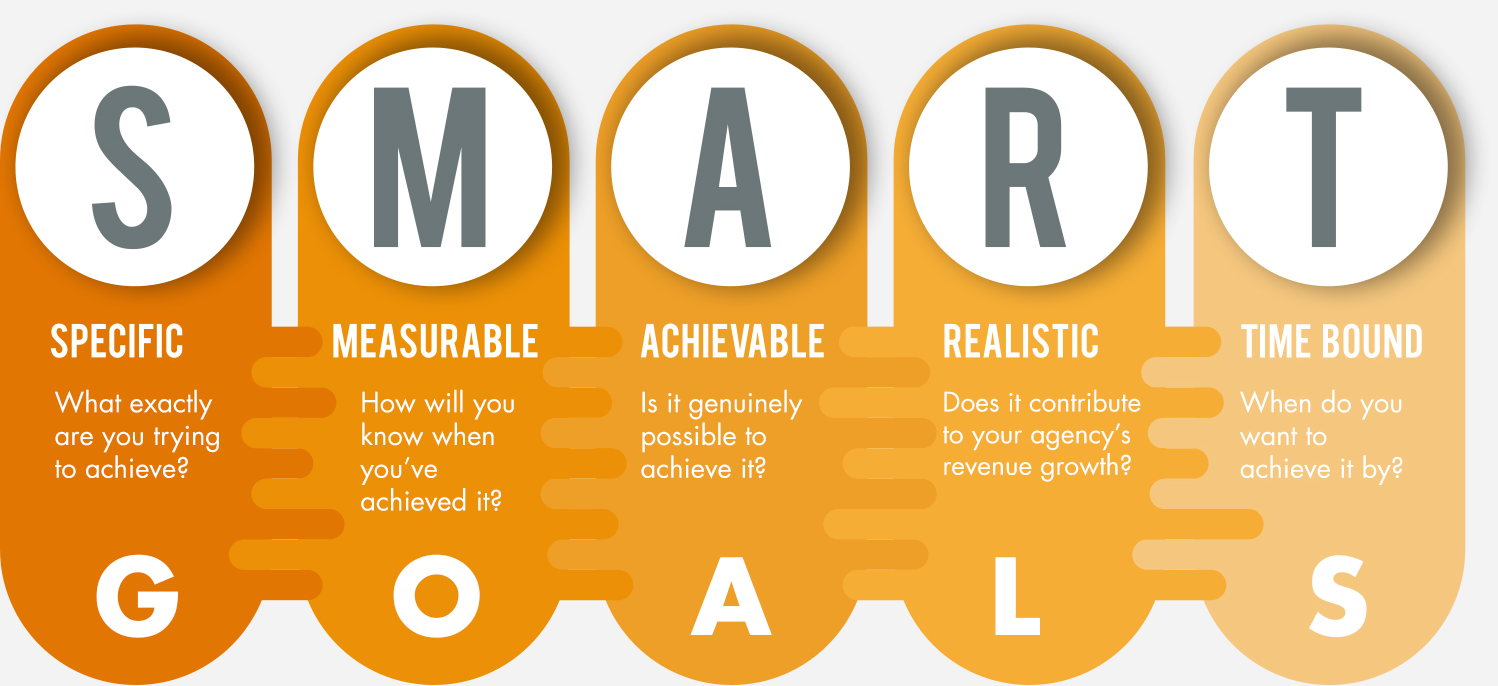
it's helpful to plot SMART financial goals -
At any life stage, it's important to be aware of both - your earnings & expenditure.
Based on your present income and expenses, you may begin your investment journey.
Based on your financial goals, time period and risk taking capacity, start investing a fixed amount every month towards your goals. A Systematic Investment Plan (SIP) can help you get there.
Use this SIP Calculator to find out how much you need fo invest based on the number of years and desired corpus:
 SIP CALCULATOR

Tips for Women before Investing
Here are some tips that you may consider to create a successful investment plan:
-
Don't wait for
the right time;
start early
-
Evaluate your goals and tenure before you pick an appropriate option

-
Analyse the risks involved;
every investment instrument
carries a risk
-

To sum it up
The benefits of investing for women are plenty. You should start investing as soon as you can. With investments, you can enjoy a greater level of financial freedom and achieve your goals with ease. Consider investing in an SIP today.
Mutual Fund investments are subject to market risks, read all scheme related documents carefully.