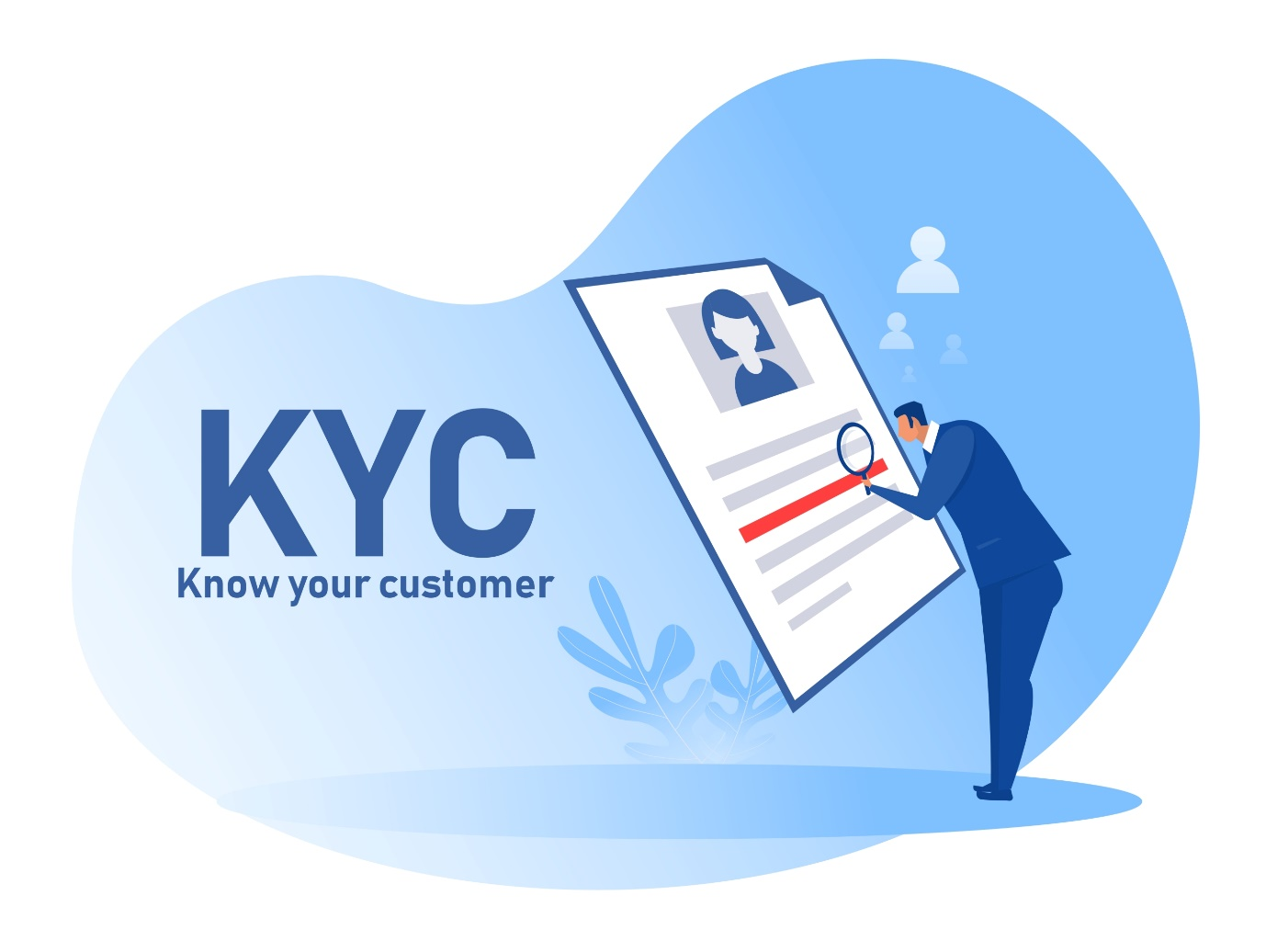


KYC stands for “Know Your Customer”, and it is a fundamental identity verification process for any kind of investment in India, including mutual funds. KYC is regulated by the Securities and Exchange Board of India (SEBI). The KYC process ensures that you are who you claim to be and validates information like your identity, address, etc.
Also, KYC aims to safeguard you and the mutual fund house from any potential fraud or misuse of funds. KYC rules may be updated from time to time, and it’s important to stay updated on how KYC is changing. This article will cover all that you need to know about KYC to invest confidently in the Indian securities market.
What is KYC in Mutual Funds?
KYC in mutual funds involves verifying your basic details - such as your name, date of birth, and address - before you start investing. This requirement comes from SEBI to prevent money laundering and identity theft. Once you complete KYC, your information is stored in a central database, so you won’t have to redo the process when you invest in a new fund.
In other words, completing KYC proves your identity to financial institutions and makes investing easier and more secure.
Types of KYC for Mutual Funds
-
Online KYC (Digital KYC)
UTI MF, as well as many other fund houses, banks, and fintech platforms offer a digital KYC facility. You typically provide details such as your PAN, Aadhaar, and a mobile number linked to Aadhaar. After entering your personal details, authenticating via selfie, uploading signature, e-signing via aadhar OTP, and KYC validation you become investment ready.
-
Offline KYC
For offline KYC, you fill out a physical form and submit it at an Asset Management Company (AMC) office, a distributor’s office, or a Registrar and Transfer Agent (RTA). Along with the form, you provide copies of your identity and address proof. Once everything is checked, validated and approved, your KYC status is updated in a few working days.
Step-by-Step Guide to Completing KYC
-
Online KYC (digital KYC)
-
Choose a Platform: Visit UTI MF’s KYC page to get started.
-
Enter Your Details: Provide your PAN, name, and date of birth.
-
Document Upload: Upload documents via digilocker, enter personal details and authenticate via selfie, then draw or upload your signature. Option to upload documents manually is also available
-
OTP Verification: You’ll receive an OTP on your Aadhar-registered mobile number. Enter this to review and e-sign. Once it’s validated, your KYC is done.
-
-
Offline KYC
-
Get the Form: Obtain a KYC form from a UTI MF branch, an RTA, or a distributor.
-
Fill In Your Details: Write down your name, address, and phone number accurately.
-
Attach Documents: Include self-attested copies of your PAN card, address proof, and any other required documents.
-
Submit & Acknowledge: Hand over the form and documents. You’ll usually get a slip confirming they’ve received your application. You’ll receive intimation once your KYC is done.
-
Documents Required for KYC
Having the right documents handy will speed up your KYC process. Typically, you’ll need:
-
PAN Card: Your primary ID for financial transactions.
-
Aadhaar Card: Acts as both ID and address proof, widely used for online and offline KYC.
-
Address Proof: If your Aadhaar doesn’t have your current address, you can use a passport, voter ID, bank statement, or driving license.
-
Photograph: For offline KYC, you might need a recent passport-size photo.
Make sure the details on these documents match—any mismatch in names or addresses can cause delays.
Verification & Approval Process
Once you submit your KYC application - online or offline - it’s reviewed & validated by a KYC Registration Agency (KRA) or the AMC itself. In digital KYC, checks happen online, so you may get a confirmation on the same day. Offline applications generally take two to five business days. If there’s any mismatch in your details, they may ask for extra documents or clarifications. Once everything is in order, you’ll get a confirmation via email or SMS, and your status will be marked as “Verified” or “Registered.”
Common Issues & Troubleshooting
People often face issues when their name or address doesn’t match across documents - for instance, if Aadhaar has an old address that doesn’t match your PAN card. Keeping your records up to date helps avoid such headaches.
Technical glitches can also occur if you’re completing KYC online - your OTP might not arrive, or the system might time out. In these cases, retrying after a few minutes often resolves the problem, or you can check if your Aadhaar is correctly linked to your mobile number.
Conclusion & Next Steps
Getting your KYC done is vital for anyone who wants to invest in mutual funds in India. By choosing either the online or offline route—and following the updated 2024 guidelines—you’ll make the investment process smoother while protecting your financial interests. Stay informed, keep your documents updated, and explore the many mutual fund options available once your KYC is all set.
Mutual Fund investments are subject to market risks, read all scheme related documents carefully.