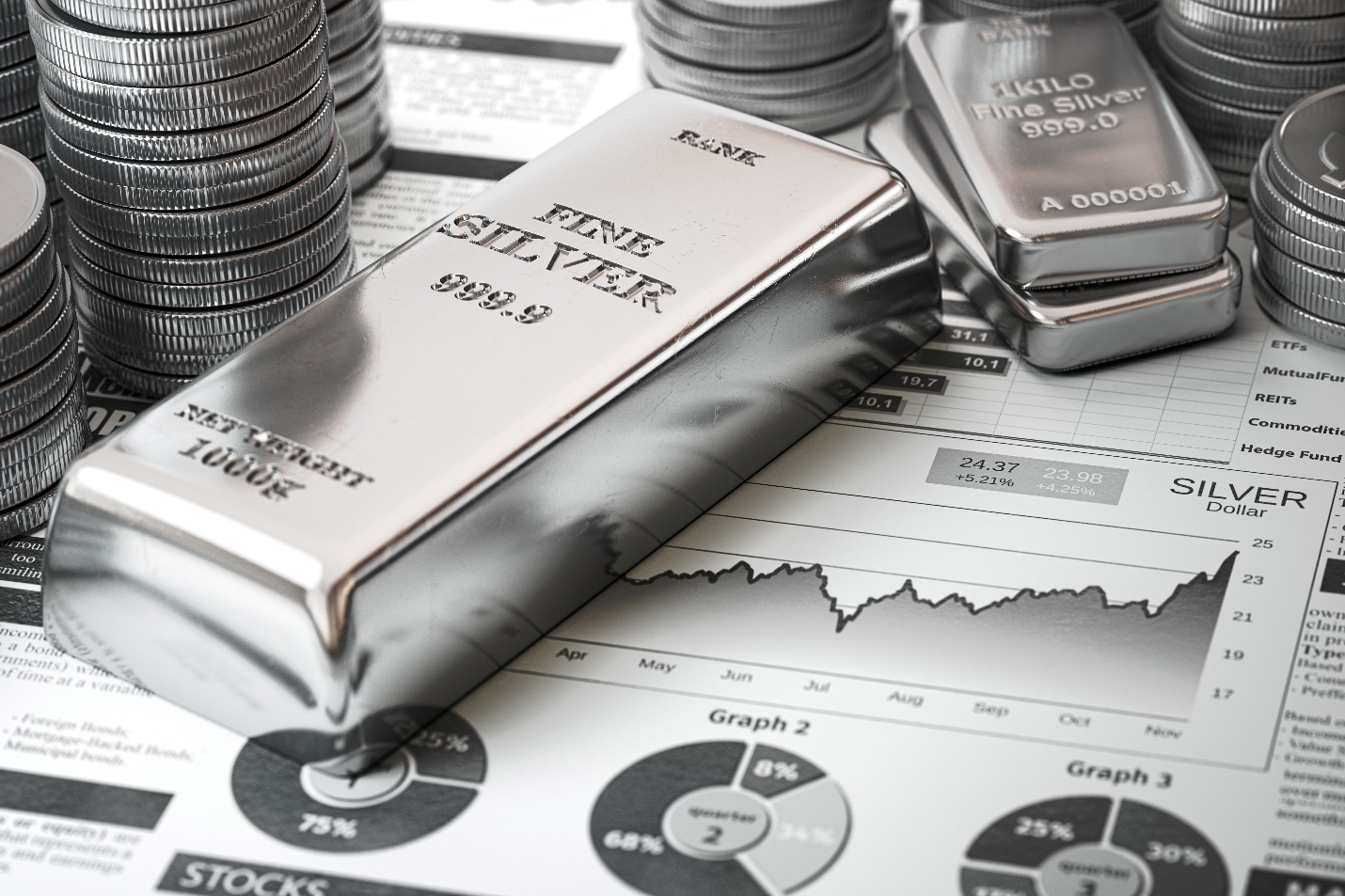


Silver Exchange Traded Funds (ETFs) allow small investors to invest in silver commodity via a convenient and regulated structure. With rising silver prices, Silver ETFs are gaining significant assets under management. Understanding their workings and role in one's portfolio has become vital. Read on to learn more.
What are Silver ETFs?
A Silver Exchange Traded Fund or Silver ETF is a commodity ETF that invests in physical silver and derives its value from the domestic price of silver. Each unit of the Silver ETF is backed by a defined quantity of silver held by the fund. As the price of silver changes in the market, the Silver ETF share price also fluctuates in a correlated manner. This helps investors get exposure to silver price movements in an easy, liquid and transparent manner.
Silver ETFs combine the flexibility of stock investment and the simplicity of physical silver investment.
-
Like stocks, Silver ETF units can be easily bought and sold on the exchange during market hours. This makes it highly liquid.
-
Like physical silver, the value of Silver ETFs is derived from domestic silver prices. This offers real asset exposure.
Silver ETFs enable even small investors, who may not have the capacity to buy large bars of physical silver, to invest in silver commodity conveniently. It saves the hassles of physically storing silver too.
Silver ETFs as an Investment Vehicle
-
Transparent pricing - Silver ETF prices are available real-time, linked to physical market prices
-
Liquid - Investors can buy and sell Silver ETF units swiftly on the exchange just like shares
-
Low charges - As passive funds, Silver ETFs have low expense ratios compared to active mutual funds
-
Safe - The physical silver is stored safely with the custodian and the fund house
-
Regulated - Silver ETFs are regulated investment products, unlike physical silver
-
Tax efficient - Potentially more tax efficient than physical silver, depending on holding period
-
Investor-friendly - Units can be purchased conveniently in smaller denominations
-
In summary, Silver ETFs offer a regulated, liquid and transparent way to invest in silver commodity as part of a diversified investment portfolio.
How Silver ETFs Work?
Silver ETFs have a passively managed fund structure tracking domestic silver prices.
-
The Silver ETF fund house appoints a custodian to safely hold physical silver in allocated form
-
The quantity held equals the amount of Silver ETF units issued to investors
-
Physical silver is sourced from approved and reputed sources
-
The fund derives its value from the domestic price of silver. The net asset value (NAV) per ETF unit is arrived based on silver prices and fund charges.
-
When demand for ETF rises, the fund house issues more units backed by purchase of additional physical silver
-
If redemptions rise, units are extinguished, and equivalent silver is sold to pay investors
Thus, the NAV closely reflects the real-time price of silver and Silver ETF units can be freely traded on the exchange. The fund house and custodian charge a small expense ratio as fees. Being passive funds , Silver ETF charges are much lower than active mutual funds .
As silver prices rise or fall, the NAV of Silver ETFs also rises or falls accordingly. Buying and selling decisions can be based on outlook on silver prices and overall portfolio allocation.
Differences between Silver ETFs and Physical Silver Investment
While Silver ETFs offer exposure to silver prices, there are some key differences compared to buying physical silver coins, bars or jewellery:
Storage
-
Silver ETFs save the headaches of physical storage and security. The custodian appointed by the fund houses stores the silver securely in allocated form.
-
Physical silver has to be stored properly to avoid theft or damage. Storing at bank lockers also has charges.
Liquidity
-
Silver ETF units can be sold on the exchange during market hours, just like stocks.
-
Selling physical silver may take time and have high transaction costs. Jewellery may sell at lower making charges.
Purity
-
Silver ETFs invest only in high purity (99.9%) physical silver approved by exchanges.
-
Purity of physical silver varies. Jewellery and decorative items have lower purity. Coins/bars may have 99.9% purity.
Quantity
-
Silver ETFs allow purchase of units worth as low as Rs. 100-500. Minimum quantity is not a constraint.
-
Physical silver purchase involves high minimum quantity. Bars are sold in kg denomination. Coins have lower quantity but higher premium.
Safety
-
Silver ETFs carry market risk like any other investment. But the physical asset remains safe with the regulated custodian.
-
Physical silver incurs risk of theft, damage or loss.
Costs
-
Silver ETFs have low expense ratio of 0.5-1%. The maximum permissible expense ratio (TER) limit given by the regulator is 1%.
-
Physical silver purchase involves making charges of 8-10% for jewellery. Premiums apply for coins and bars.
Pros and Cons of Silver ETFs in a Portfolio
Pros
-
Hedge against inflation and economic uncertainty like gold
-
Diversifies portfolio beyond mainstream assets
-
Acts as a safe haven in times of stock market volatility
-
Potential to gain from rising silver prices
-
High liquidity since units can be sold swiftly on the exchange
Cons
-
Exposed to silver price fluctuations
-
Lower return potential than equity or bonds in the long run
-
No regular income payouts unlike debt funds or rental property
-
Poor transparency and liquidity in some funds with lower AUM
Taxation on Silver ETFs
Silver ETFs
-
Long-Term Capital Gains (LTCG): The holding period for long-term capital gains on Silver ETFs is now set at more than 12 months. The tax rate for LTCG is 12.5% without indexation benefits, aligning it with equities.
-
Short-Term Capital Gains (STCG): If the holding period is less than 12 months, gains are taxed at the investor's applicable income tax slab rates.
The updates reflect a shift towards standardising the tax treatment of Silver ETFs and aligning them more closely with other financial instruments like equities. They aim to simplify the tax framework and provide clarity for investors in precious metals.
Tips to improve Silver ETF taxation:
-
Hold for long term to qualify for lower LTCG tax rate
-
Reinvest Silver ETF dividends instead of opting for payouts
Silver ETFs offer a regulated and efficient way to invest in silver commodity. They are more liquid than physical silver and provide convenient exposure to silver price movements in a transparent manner. Silver ETFs serve as a suitable diversifier in an investment portfolio. But taxes and silver price risk need prudent management.
Mutual Fund investments are subject to market risks, read all scheme related documents carefully.