

Small cap investing speaks to the segment of investors that looks beyond the familiar large cap and mid cap names and wonders where the next phase of business growth may emerge. But this space is not easy to understand from the outside.
Listed small cap companies can move sharply, information may not always be as widely discussed, and stock selection can become challenging for a retail investor.
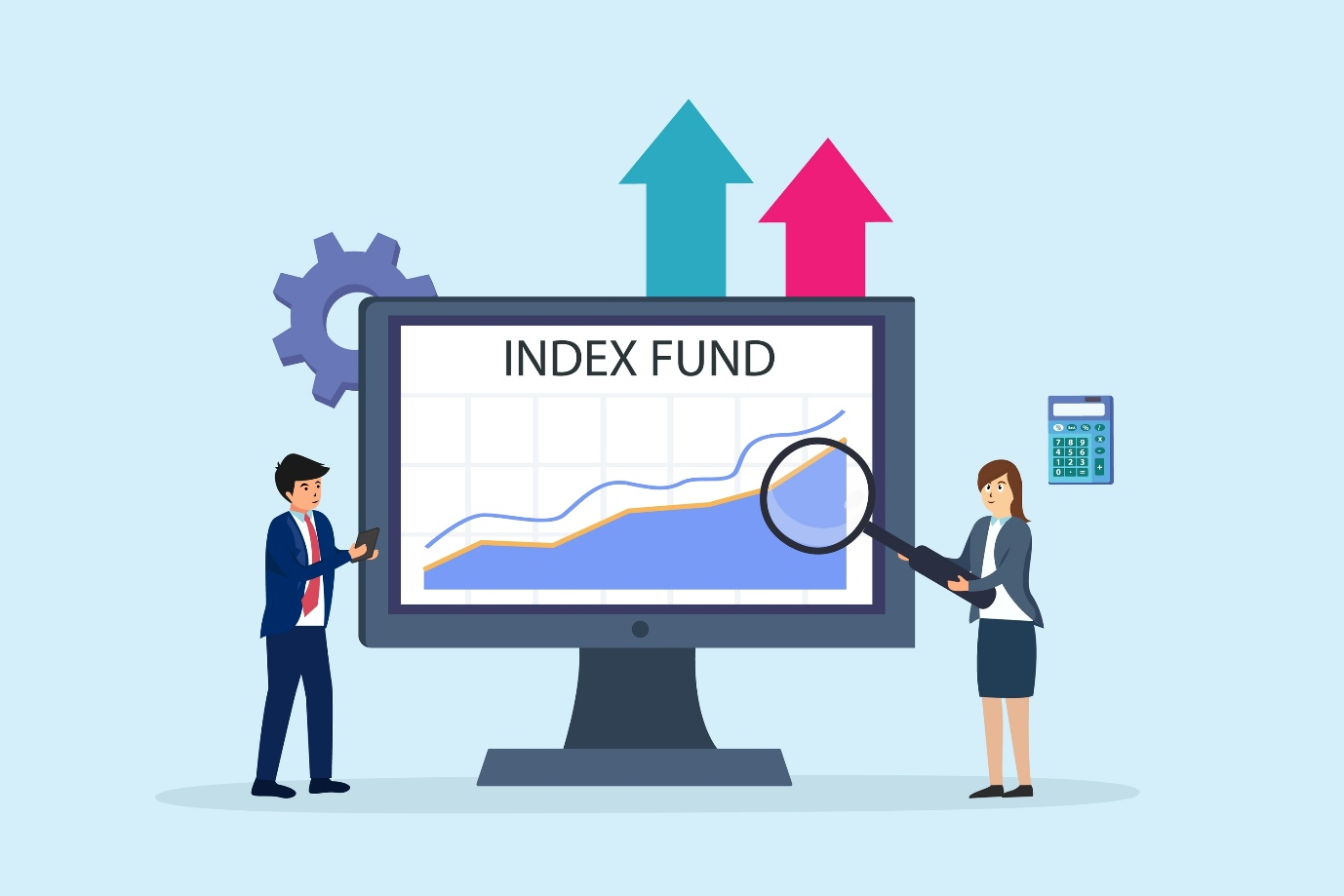
That is where a small cap index fund enters into the conversation. It offers a passive, rules-based approach to take exposure to small cap companies through index funds, without expecting the investor to choose individual stocks.
What is a Small Cap Index Fund?
A small cap index fund is a passive mutual fund that tracks a small cap benchmark index. In India, SEBI’s mutual fund categorisation framework defines small cap companies as those which are ranked 251st onwards till 500th by full market capitalisation. SEBI’s categorisation circular was issued to bring uniformity in mutual fund scheme classification.
So, when investors hear terms such as small cap mutual funds or small cap exposure, the reference is broadly to companies that fall outside the large cap and mid cap brackets. A small cap index fund simply takes this universe and follows a pre-decided index methodology. For example, a Nifty small cap 250 index fund generally refers to an index fund that tracks a Nifty small cap 250 Index as a benchmark.
How Small Cap Index Investing Works
Small cap index investing is built on a simple idea: instead of asking a fund manager to actively decide which small cap stocks may potentially perform well, the fund follows the chosen index.
If the index adds a company, the fund adjusts its portfolio. If the index removes a company, the fund eventually reflects that change. The process may sound neat, though in real markets there are frictions. Stocks need to be bought and sold. Expenses are charged. Some small cap stocks may not trade as smoothly as larger ones.
This is why index fund returns may differ from index returns. Tracking difference and tracking error can arise due to costs, cash buffers, investor flows, rebalancing, and practical challenges in replicating wider indices. In small caps, this gap can become more visible because liquidity conditions are often different from large cap stocks.
Small Cap Index Fund Vs Small Cap Mutual Funds
The phrase small cap mutual funds is often used broadly, but there is an important distinction. An actively managed small cap fund depends on the fund manager’s research, judgement, and portfolio choices. A small cap index fund, on the other hand, aims to follow an underlying index. The portfolio is rule-led rather than opinion-led.
This difference affects how investors experience the product. In an active fund, performance may vary depending on fund manager stock selection. In an index fund, the investor is accepting the return pattern of the underlying index, after expenses and tracking differences. Neither structure removes market risk. Both remain part of mutual fund investments, and both can be affected when small cap sentiment changes.
Why Investors Look At Small Cap Index Funds
There are a few reasons why investors may explore this category.
-
First, it offers diversified access to smaller listed companies. Buying one or two small cap stocks can expose an investor to company-specific risk. A small cap index fund spreads exposure across the index basket.
-
Second, the strategy is transparent. The investor can see which index is being tracked and understand the broad methodology. There is no hidden promise of special stock-picking skill.
-
Third, investors who already have large cap or broader market exposure may consider it as a measured allocation to the smaller company segment. The word “measured” matters here because small cap investing can be a volatile journey. It may test investor patience when liquidity tightens or risk appetite falls.
Mutual funds can face liquidity-related risk, where the inability to sell portfolio holdings may create potential setbacks if prices decline before the security is sold. This risk can be especially relevant while thinking about small cap exposure.
Role of an SIP Calculator
An SIP calculator can help investors visualise how periodic investing may potentially accumulate over time. It does not predict returns. It merely applies an assumed return rate to a chosen contribution and tenure. For instance, if an investor enters a sample return assumption, the final value shown is only an estimate.
In a category such as small caps, actual outcomes may differ widely from the calculator output. Returns are market linked, interim volatility is likely. An SIP calculator may still be useful because it shifts the discussion from speculation to planning. Instead of asking, “How much can this fund potentially grow?” the investor begins asking, “What allocation can I live with, even during volatility?”
Risks To Understand Before Investing
Small cap index funds carry very high equity market risk. The underlying companies are less established and, therefore, may be more sensitive to economic, regulatory or policy stresses. Their values can fluctuate sharply depending on market sentiment, earnings expectations, liquidity, and the broader economy. There is also a tracking difference. The fund may not deliver the exact index return because expenses, cash positions, and rebalancing costs affect the final result. Even passive funds face real-world constraints while copying an index. Small cap indices may also see sharper movements than broader market indices.
Who May Consider Small Cap Index Investing?
Small cap index investing may be suitable for investors with a long investment horizon, an existing diversified portfolio, and a high risk appetite (the emotional capacity to watch values fluctuate). It may not fit investors who need near-term certainty or who may react in panic during sharp market falls. Some investors who seek to participate in the small cap segment without trying to select individual companies may consider it. But the allocation needs to be viewed as part of the wider portfolio, not as a standalone decision.
Conclusion
Small cap index funds are a passive route to small cap exposure. They track a defined index, reduce dependence on individual stock selection, and keep the process relatively transparent. But they do not remove volatility, liquidity risk, or market uncertainty. For investors exploring index funds, a small cap index fund can be one way to participate in smaller listed companies through a structured route. The key is to understand the product before investing, use tools like a SIP calculator only for broad planning, and avoid reading past returns as future assurance.
Disclaimer: The facts, figures and information presented in this article are for information purpose only. Past performance may or may not be sustained in future. Investors are advised to consult a financial advisor before making investment decisions.
Mutual Fund investments are subject to market risks, read all scheme related documents carefully.